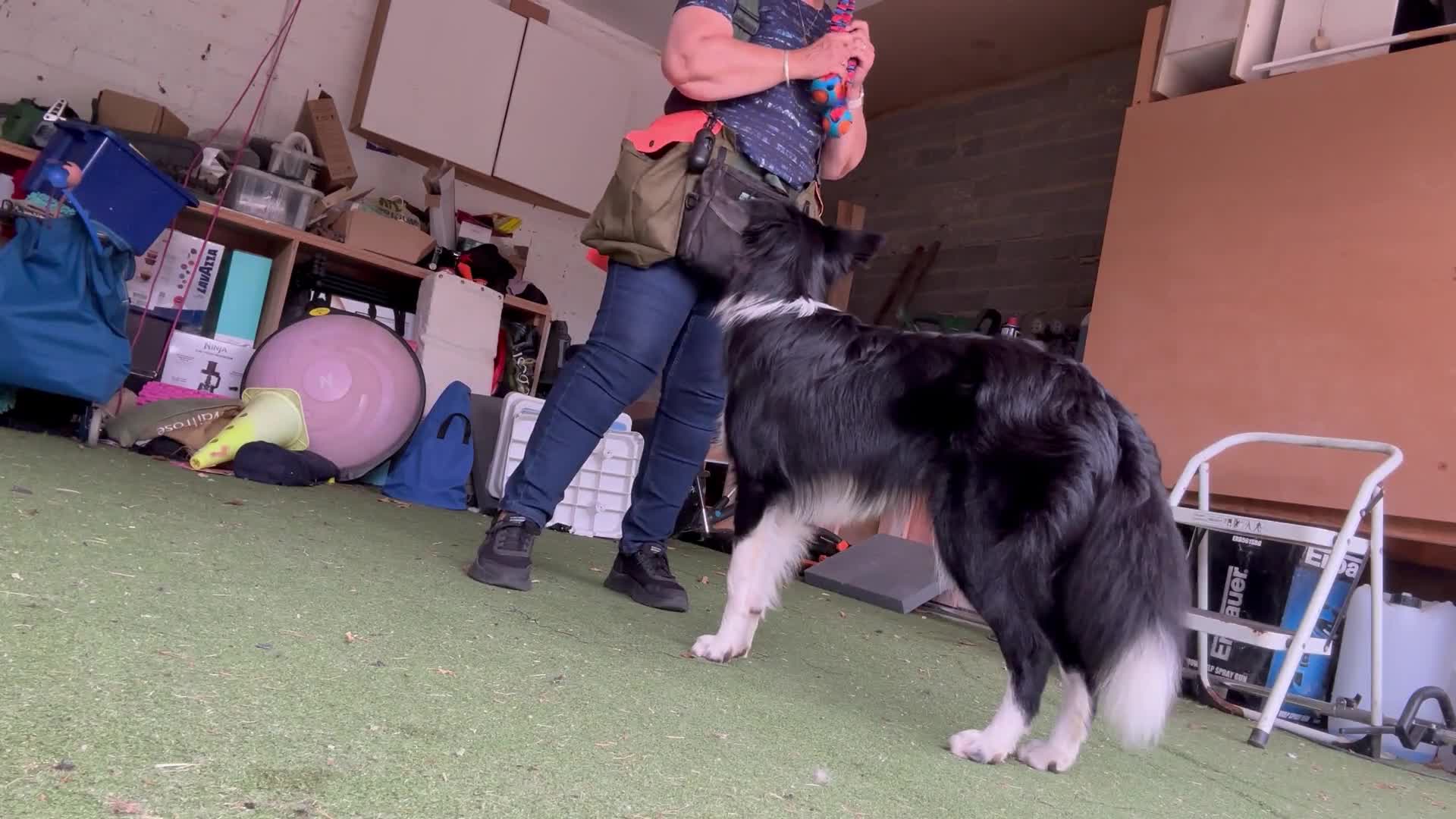
The switch toy game is a simple, rewarding way to teach your dog that giving up a toy doesn’t mean the fun is over. Instead, it shows them that returning the toy and re-engaging leads to more play—making them less likely to run off or guard the item.
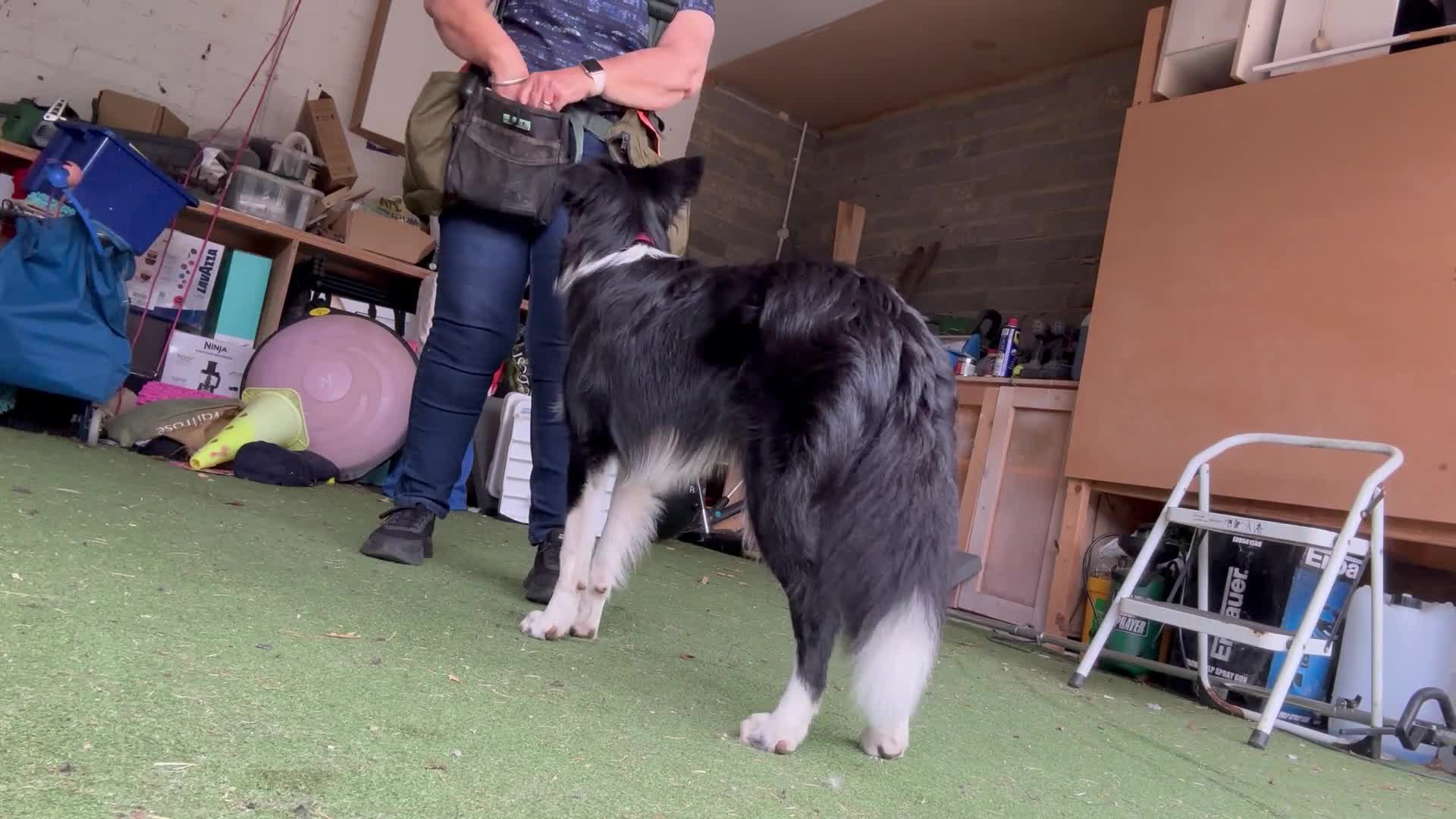
Getting your dog to keep doing a behaviour you like can be one of the toughest parts of training. The bowl-hand method (an open, cupped hand with treats) is a simple, effective way to signal “keep doing that”—and it’s easy to teach and generalise.
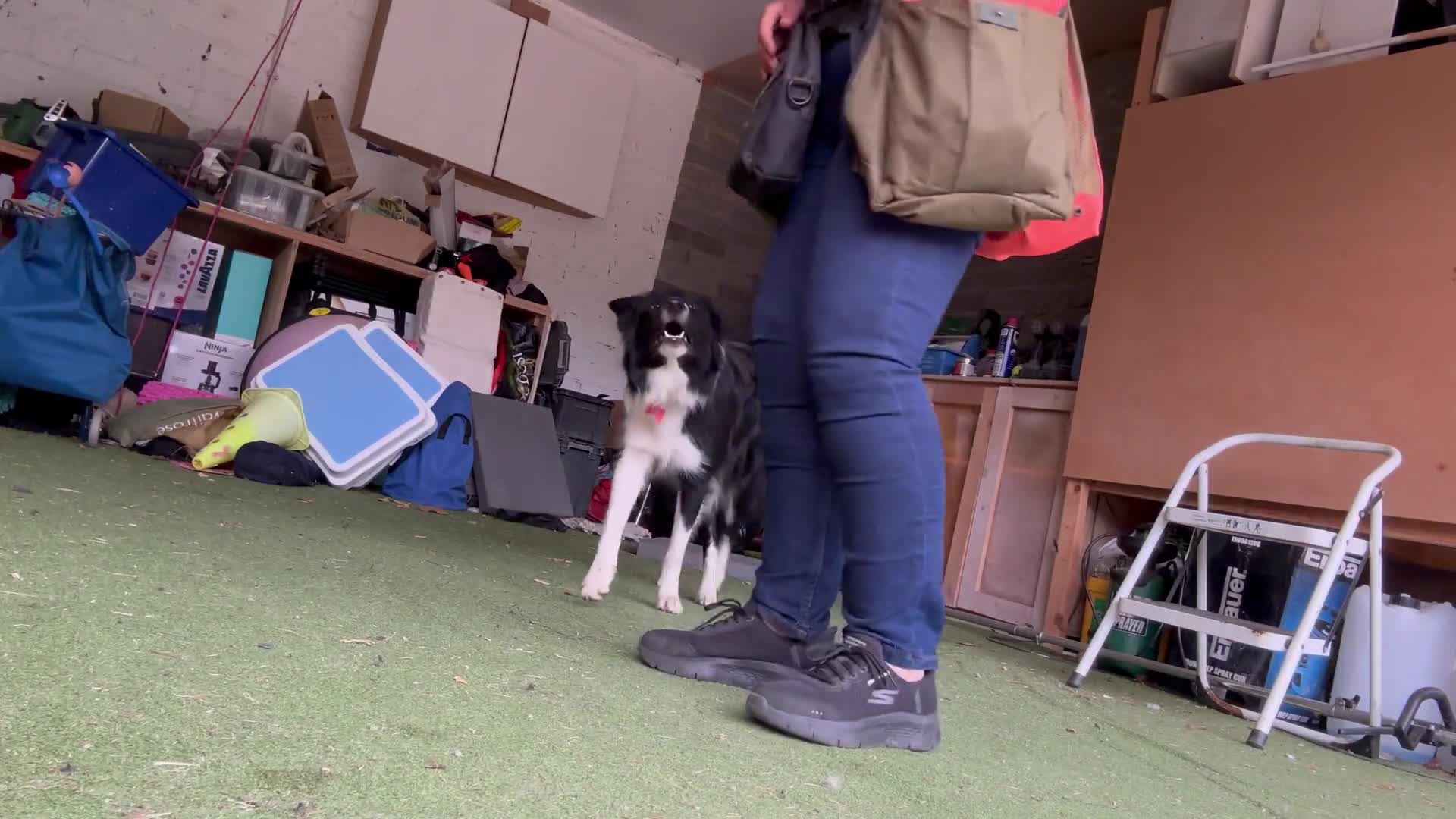
Engagement games are essential before formal training. When your dog is focused on you, response to cues like sit-stay and recall become much faster.
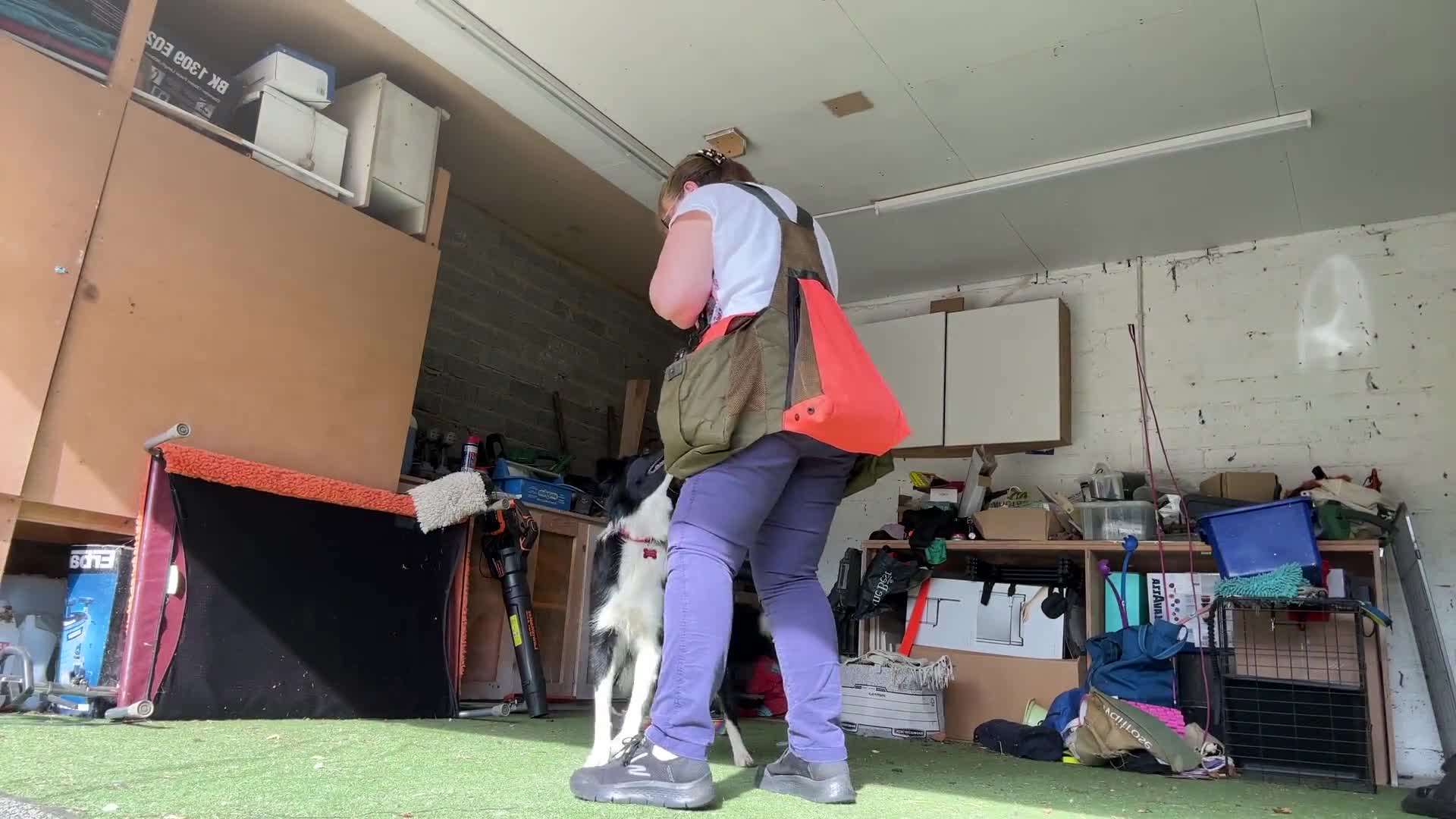
Playing switch games teaches a dog to give up items without conflict. By trading a held object for something better, the dog learns that letting go brings rewards. This creates a reliable "out" cue for everyday situations. For example, when your dog has stolen the TV remote control. The switch game also helps dogs handle frustration, improving impulse control, confidence, and the handler-dog bond.
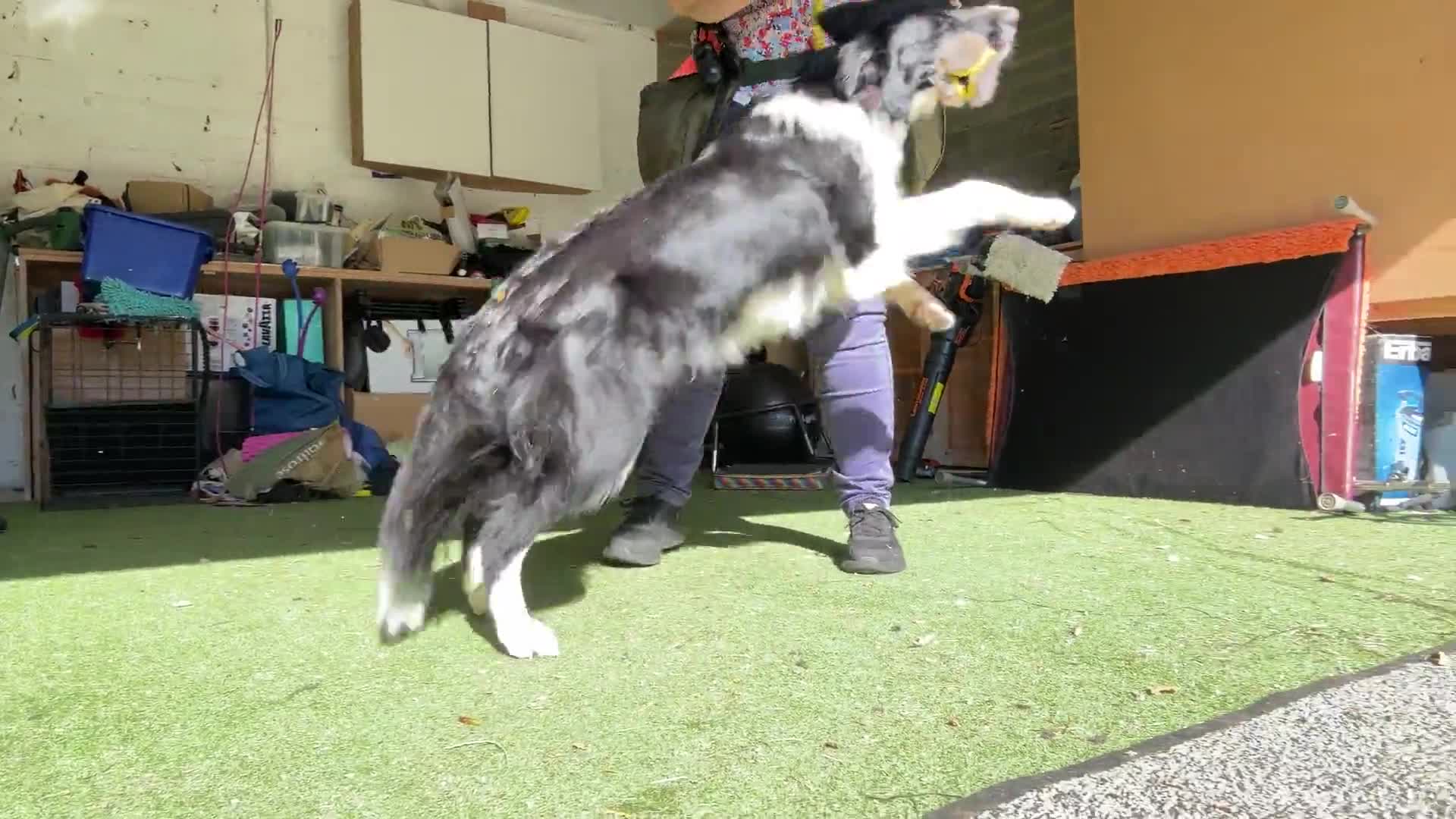
Playing tug strengthens your bond with your dog. With clear rules and positive energy, it builds trust, teaches impulse control, and adds shared excitement.
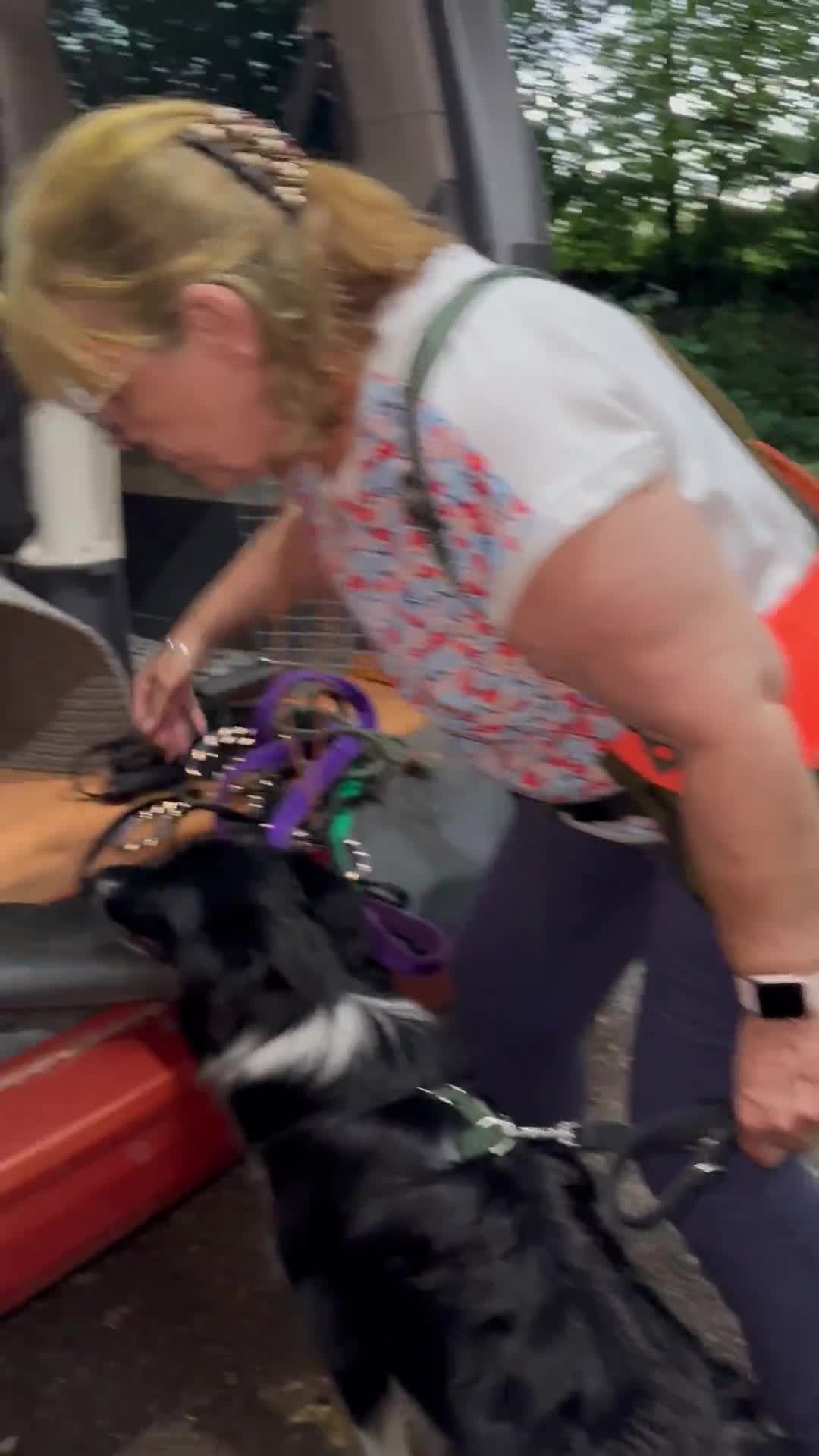
Loading and unloading your dog from a car
Teach “up” and “wait” cues and reward calm behaviour. Open doors slowly and step back so dogs exit safely. Use the “wait” cue and put your dog on its lead. For getting into the car, use the “up” cue, but for elderly, injured, or large dogs, use a ramp, step stool, or two-person lift. Consistent, gentle handling and practised cues keep loading and unloading safe and stress-free.
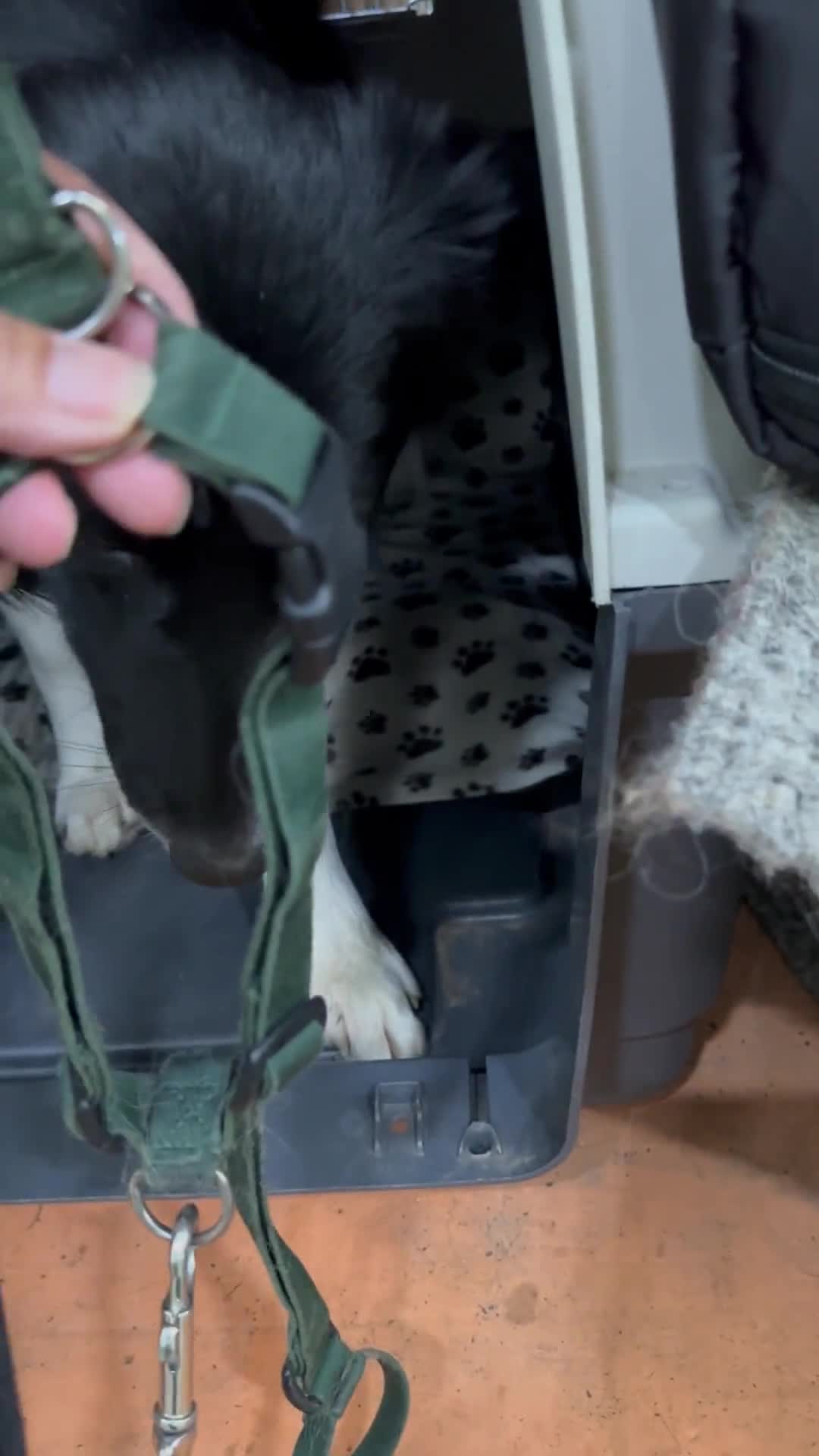
Crating your dog in the car keeps them safe,
Use a well-ventilated, crash-tested crate or secure carrier that lets your dog stand, turn, and lie down. Never leave a dog alone in a parked car—temperatures can become lethal. On long trips, stop every 2–3 hours for water, potty breaks, and a walk. Add a familiar blanket or toy and acclimate your dog with short practice rides. Proper gear and prep make car travel safer and less stressful.
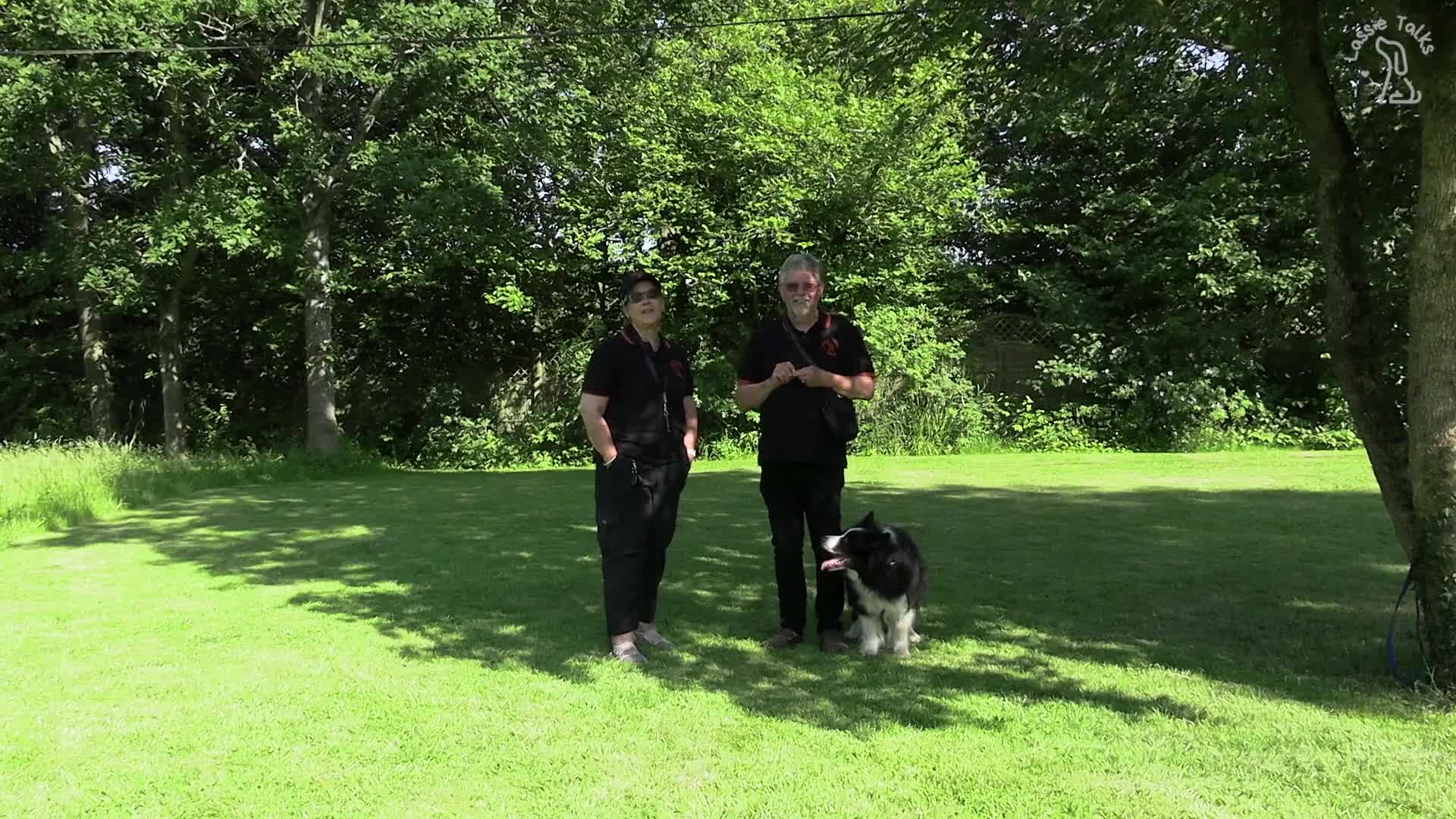
Recall games help
Make coming when called fun and rewarding, not a punishment.
Teach your dog that returning brings positive outcomes (treats, play, praise).
Chase-and-call
How: Start running away from your dog (exciting, playful), then turn and call their name; reward when they catch up. Dogs often love the game of pursuit and will learn that running back is part of play.
Safety note: Use in safe, enclosed areas to prevent bolting toward hazards.
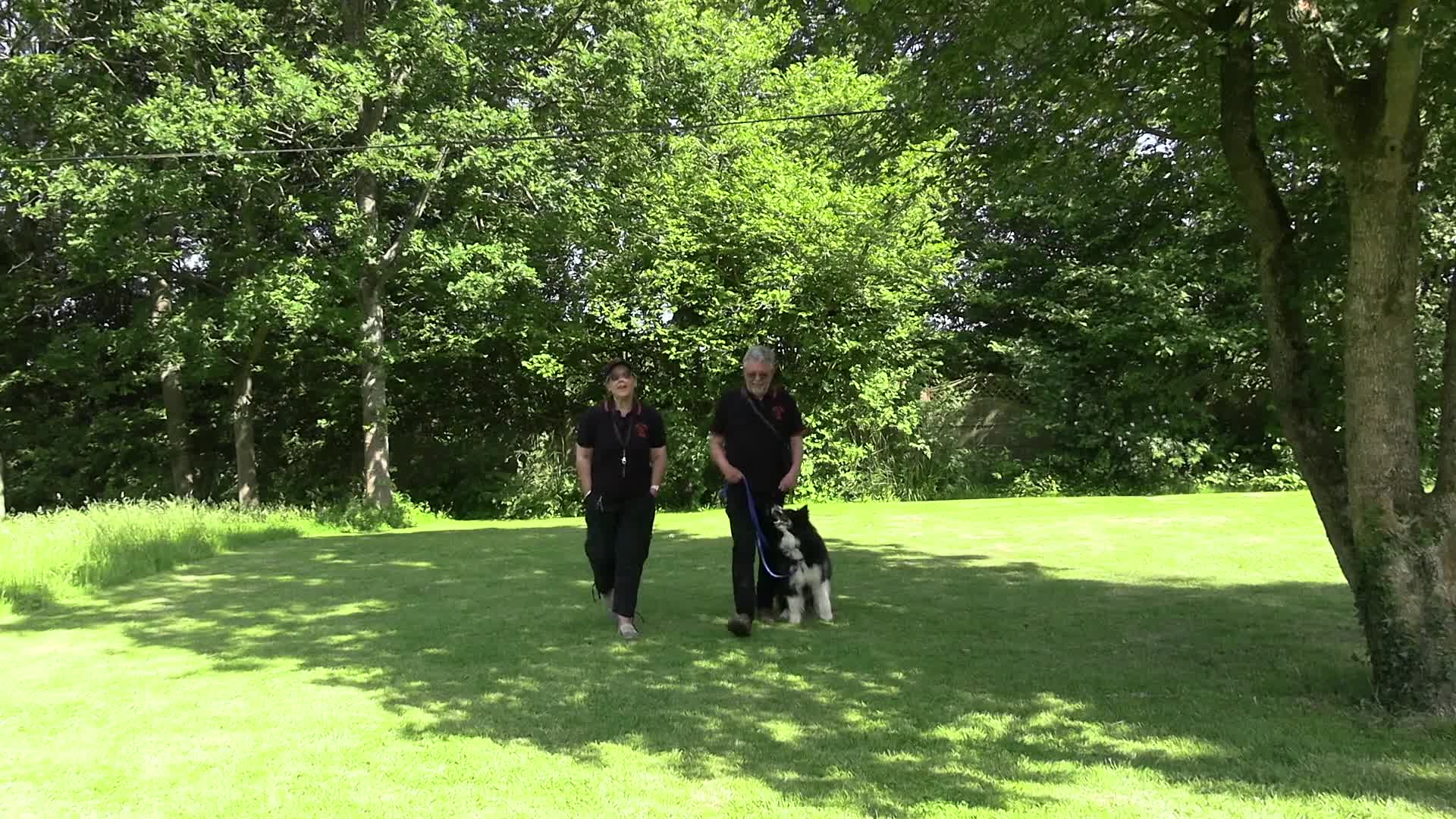
Lead mechanics
Play figure of eights, circles, and A to B games first in your garden and then use these tools when you go out and about.
Reward calm behaviour. Give treats, praise, or a favourite toy when your dog remains relaxed as other dogs pass.
Avoid encouraging nose-to-nose greetings.
If an owner is unresponsive or their dog is approaching aggressively, prioritise moving away.
Safety gear options. A front-clip harness can give more control than a collar.
